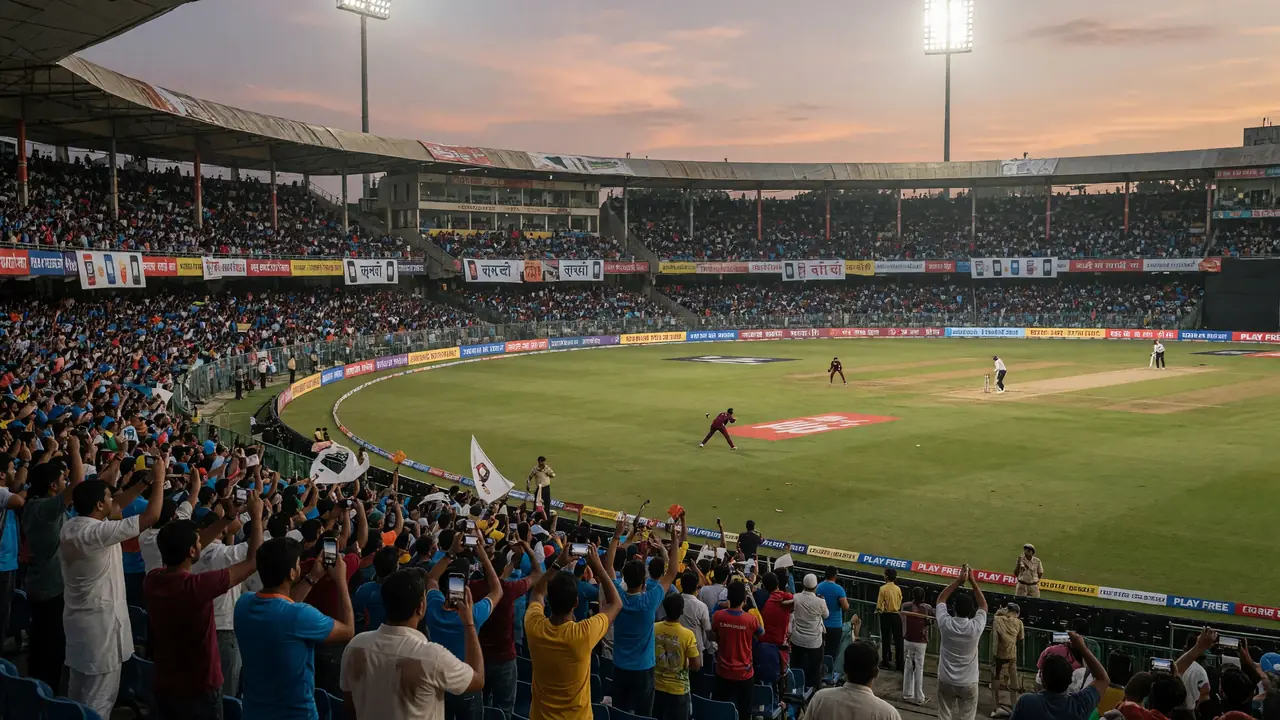
On 23 September 2025, Dream11 told the market it was moving away from paid, cashout fantasy contests and toward a free-to-play product supported by advertisements and sponsorships. The announcement landed weeks after Parliament passed the Promotion and Regulation of Online Gaming Act, 2025, which banned real-money online games in India, including fantasy sports formats that paid out cash winnings. For players who had built routines around deposit wallets, entry fees and withdrawal rails, the company was no longer selling the product they knew.
This retrospective reconstructs that pivot from the public record of late September 2025. It is not a live market update. The facts below sit inside what Business Standard and related coverage reported at the time: the free-to-play shift, the earlier shutdown of paid contests, the user-base snapshot Dream11 shared, the age split of that audience, and the first brand names named under the advertising model.
What changed on the product, not only in the press release
Dream11's core real-money fantasy sports business had already been shut down the previous month, once the new online gaming law took effect. By late September, the company was no longer describing a temporary pause. It was describing a permanent redesign of how the platform earned money and how users entered contests.
Under the earlier model, users deposited funds, joined paid contests, and competed for cash prizes. Under the free-to-play model described in September 2025, users played without paying entry fees and competed for prizes while brands funded the experience through advertisements and sponsorships. Company materials at the time said brands were integrated into competition gameplay rather than limited to passive display ads on the sidelines of the product.
That distinction mattered for anyone reviewing the app as a consumer product. A free contest with brand-funded prizes is a different proposition from a cashout contest funded by player entry pools. The skill of building an XI still mattered, but the economics of risk, bankroll and withdrawal speed no longer defined the session.
The law that forced the timeline
The Promotion and Regulation of Online Gaming Act, 2025 banned real-money online games. Contemporary reporting named rummy, poker, ludo and fantasy sports involving cashouts among the formats covered by the ban. Dream11's paid fantasy product sat squarely inside that list.
Parliament had passed the law the previous month relative to the 23 September announcement. Dream11's paid contests were closed in that earlier window. The September messaging was therefore less a first reaction and more a second-stage commercial plan: if cash contests were off the table, the company needed another way to keep a very large user base active and to replace revenue that had previously come from contest fees and related activity.
For app reviewers and players reading the story months later, the sequence is the useful part. First came the statutory ban on real-money online games. Then came the shutdown of Dream11's paid fantasy contests. Then came the free-to-play product narrative backed by ads and sponsorships. The pivot was a response to a legal boundary, not a casual product experiment.
The scale Dream11 put on the table
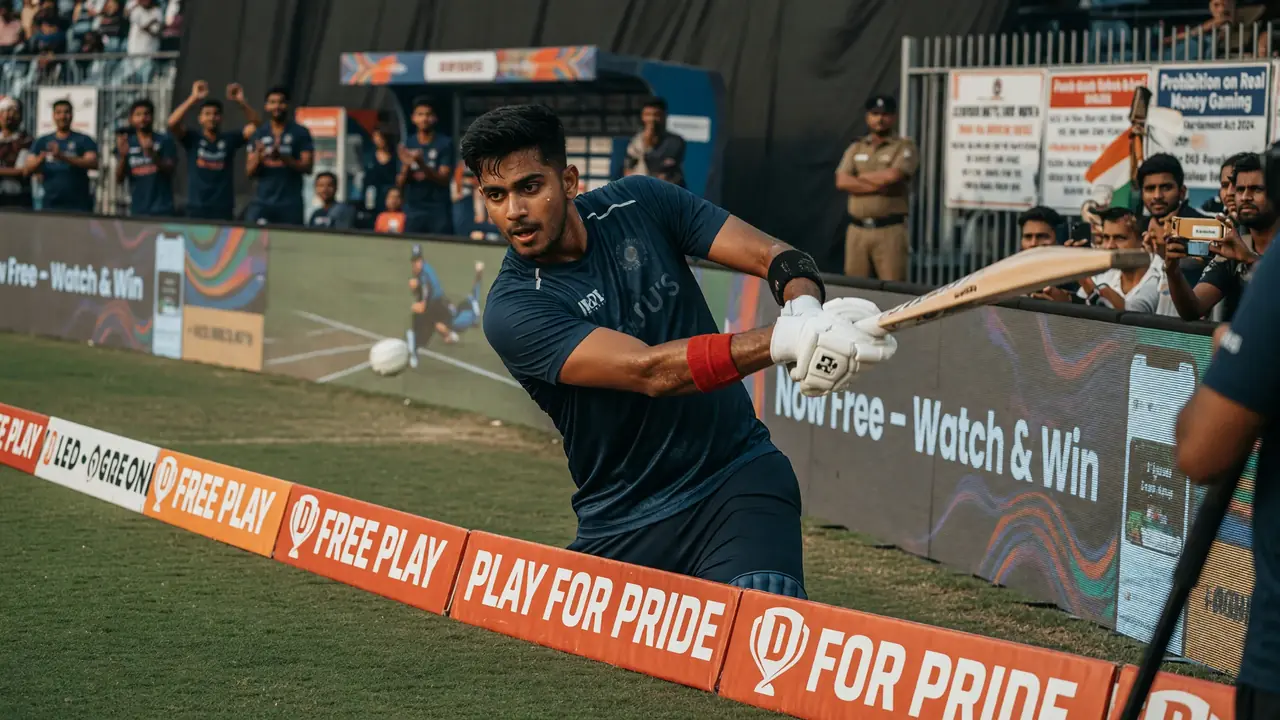
When it described the free-to-play shift, Dream11 pointed to a registered base of more than 250 million users and about 10 million daily active users. Those figures framed the commercial argument for advertisers: even without cash contests, the platform still claimed a mass audience that opened the app on a daily rhythm.
Age composition reinforced the same pitch. About 70 percent of the registered base was described as being in the 18–35 group, with the remainder over 35. Separate coverage around the same announcement also placed roughly another 25 percent in the 35–60 band. For brands that buy youth-skewed sports attention, those cuts were the selling point. For players evaluating whether the free product would stay funded, the same numbers explained why sponsorship money could, in theory, replace entry-fee revenue.
None of those figures answered every product question. Daily active users do not automatically convert into engaged free-contest players, and a registered total of 250 million includes long-dormant accounts. Still, the company chose to lead with scale, which tells you how it wanted the free-to-play story to be read in September 2025: not as a retreat into a niche social game, but as a mass-reach media property built on top of fantasy mechanics.
How the advertising model was described
Dream Sports CMO Vikrant Mudaliar said brands were being onboarded selectively after the free-to-play fantasy sports pivot. Selective onboarding is a polite way of saying the company did not intend to flood every screen with every bidder. It also implied a quality filter: the free product still needed to feel like sport, not like a pure ad network wearing a cricket jersey.
Named partners under the new model included Swiggy, Astrotalk and Tata Neu. Those three names span food delivery, astrology/lifestyle services and a multi-brand consumer marketplace. The mix suggested Dream11 was selling attention across ordinary consumer categories, not only traditional sports sponsors.
Company materials went further than logo placement. Brands were described as integrated into competition gameplay so that users played free to win prizes. In practical terms, that can mean sponsored prize pools, branded challenges, or in-contest moments tied to a partner. The public record from September 2025 does not spell out every creative format, but it does make one boundary clear: the commercial unit was no longer the player's entry fee. It was the brand's willingness to fund attention and rewards inside a free contest.
What the pivot meant for everyday fantasy users
For users who treated Dream11 primarily as entertainment around live cricket, free-to-play removed the friction of deposits, KYC-linked withdrawals and bankroll math. The cost of a bad captain call fell from rupees lost to time spent. That can widen participation, especially among younger users who want the craft of team selection without cash risk.
For users who treated Dream11 as a skill contest with money on the line, the same change deleted the product. Leaderboard pride and prize cosmetics are not the same incentive as a cash settlement after the match. Players who had optimized around ownership percentages, small-field contests and withdrawal speed suddenly found those tools aimed at a product that no longer existed in its old form.
App-review criteria shifted with the model. Payout reliability, contest fee-to-prize ratios and withdrawal latency stopped being first-order questions. In their place came different checks: how intrusive the ads felt, whether sponsored prizes were clearly disclosed, whether brand integrations interrupted team selection, and whether the free contests still rewarded cricket judgment rather than pure click volume. Readers comparing platforms after the law changed can still start from our fantasy cricket app reviews, then judge each product against the model it actually runs today.
Why brands cared enough to show up in the first wave
From an advertiser's seat, Dream11 offered three things that are hard to buy in one package: cricket adjacency, a habit loop tied to the fixture list, and a claimed audience heavy in the 18–35 band. Free-to-play made that package cleaner for categories that never wanted to sit next to cash gaming, while still letting them fund prizes that keep users returning between matches.
Selective onboarding also protected brand safety. If every low-quality advertiser could buy inventory the day after the law changed, the free product would look desperate. Naming Swiggy, Astrotalk and Tata Neu in the early coverage signaled that Dream11 wanted recognizable consumer brands in the first public wave.
There was a second, quieter reason brands listened. A free contest with integrated prizes creates measurable actions — installs, task completions, repeat opens — that look more like performance marketing than a static stadium board. Whether those actions later proved efficient is outside the September 2025 record. What the record does show is that Dream11 sold the pivot as a brand-product story, not merely as regulatory damage control.
Reading the September 2025 announcement with cooler eyes
Three verified anchors still hold: paid contests were already shut after the Act; the replacement model was free-to-play funded by ads and sponsorships; and the company leaned on a 250-million-plus registered base with about 10 million daily active users to justify the media sell.
It is easy, months later, to compress the story into a single headline: “Dream11 went free.” The fuller sequence is more useful for anyone who still evaluates fantasy products. The Act removed real-money online games from the legal menu. Dream11 turned off paid fantasy. Then it rebuilt the commercial layer around advertisers and sponsors, with brand integration inside the contest rather than only around it.
What the September coverage did not settle is equally important. It did not publish a full rate card for the new ad products. It did not release retention curves comparing free users with the old paid cohort. It did not claim that every former cash player would stay. A careful retrospective stops at the verified edge instead of inventing a tidy ending.
Legacy for fantasy app evaluation
The Dream11 pivot remains a reference point whenever an Indian fantasy product is judged after the 2025 law. Reviewers can no longer assume that “fantasy cricket app” means a cash contest with a wallet. Some products stayed in non-cash or informational formats; others disappeared; Dream11 publicly chose free play plus brand money.
That legacy changes the checklist more than it changes cricket itself. Captaincy math, pitch reading and ownership still decide who wins a free leaderboard. The commercial questions moved to disclosure, ad load, prize clarity and whether the free loop stays fair when a sponsor is paying for the room. Those are the standards the September 2025 announcement forced into the open, and they are the standards that still matter when the same company name appears in a product comparison today.
For historical context, keep the dates straight. Parliament passed the Promotion and Regulation of Online Gaming Act, 2025, in the month before the announcement. Paid Dream11 contests closed in that earlier window. On 23 September 2025, the company described the free-to-play, ads-and-sponsorships future. Everything else — every rumor about later product tweaks, every unverified user complaint, every speculative market share claim — sits outside the verified record used here and should be treated as a separate story.