
The Two Teams Heading into Match 10
Sunrisers Leeds Women host Manchester Super Giants Women at Headingley Cricket Ground in the tenth match of The Hundred Women's Competition 2026, with a 7:30 PM IST start on Tuesday, July 28. Manchester sit second on the table with six points and a net run rate of +3.288; Sunrisers Leeds are fifth with four points and +0.943. The fixture falls in the middle of the competition's first week — recent enough that form lines are sharp, but late enough that ownership data still moves around between the two teams named in most previews.
Sunrisers Leeds come in with four wins from their last five; Manchester Super Giants have two wins and three losses over the same window. The reverse tells the same story — Leeds looking composed, Manchester still finding a settled combination despite their lofty run rate. That tension is what makes Match 10 attractive on a fantasy slate: a settled home side against a visiting side whose points table position flatters the actual recent cricket.
If you are looking for a one-line summary to start your team sheet: Headingley is a pacer-friendly surface, Manchester have the deeper bowling unit, and the differential slot is the only part of your XI that can lift you above the consensus. Everything below tries to make that framework precise.
Headingley, Late July: What the Surface Tells You
The Headingley strip used during The Hundred has averaged 127 in the first innings and 113 in the second across the recent sample. That is not a belter; it is a low-to-moderate scoring surface where a par score sits comfortably in the 120 to 140 range. The win split tilts slightly toward the side that bowls first — 53% chasing, 47% batting first — and pacers have taken around 59% of the wickets here, ahead of the 40-something percent that spinners usually claim at this level.
The implication for fantasy is direct. Pace-bowling all-rounders get paid twice — once in the wickets column, once when they hit out late in the order when the inevitable collapse happens against the older ball. A frontline spinner in your XI is only worth the salary if she is the second spinner on either side; the first spinner on either side rarely justifies captaining slots here, because wicket chances are dragged down by the pace-friendly conditions.
Leeds weather on Tuesday is forecast at 15 to 16°C with a 7% rain chance and humidity around 79%. That is cool, slightly damp, overcast-friendly for movement off the seam. The toss decision almost always falls on the side chasing, both because the chase has the slight historical edge and because the late-July Headingley surface usually grips a touch more in the second half. Treat the toss as a tactical signal: if Manchester win it and bowl first, that is your cue to weight their pace unit heavier; if Sunrisers Leeds win it and chase, your captaincy leans toward their middle order who will know exactly what the chase requires.
Reading the Probable XIs
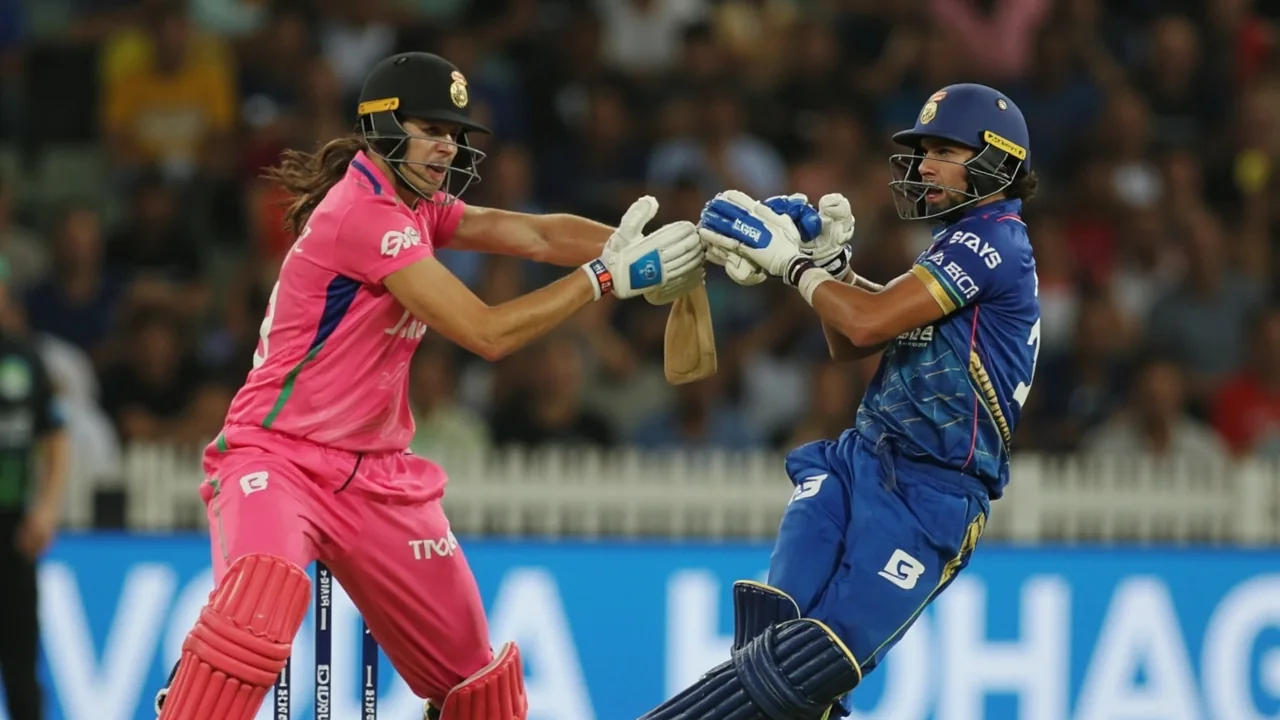
Both sides are unlikely to spring surprises at this stage of the competition, but the strength of the XI is what shifts ownership between named players. Sunrisers Leeds have named an XI built around an Indian spin pair — Deepti Sharma and a second tweaker — alongside Phoebe Litchfield at the top, with Bryony Smith opening, Jess Jonassen slotting in the middle, Annabel Sutherland as the seam-bowling all-rounder, Dani Gibson as captain, and Lauren Winfield-Hill behind the stumps. The back end of that lineup (Darcey Carter, Sophia Turner, Cassidy McCarthy, Hannah Baker) is where the salary-cap efficiency lives, because most of the headline names are priced in the upper band.
Manchester Super Giants, on the other side, are stacked with international batting talent — Smriti Mandhana, Meg Lanning as captain, Grace Scrivens, Paige Scholfield, and Richa Ghosh behind the stumps — and a bowling unit that runs from Mady Villiers through Kathryn Bryce, Maitlan Brown, Ryana MacDonald-Gay, Sophie Ecclestone, and Grace Ballinger. That depth is the team's biggest fantasy advantage: even on a day when the openers fail, the middle order can rebuild, and the bowling options mean a fourth seamer or a fourth spinner is always on offer depending on conditions.
A small but important note: confirm the playing XIs after the toss announcement, not before. The Hundred squads run deep, and teams have used early-season fixtures to rotate players who are coming back from short rest. Lock nothing until the toss graphic posts the names.
Who the Numbers Say Has Been Carrying Each Side
Sunrisers Leeds' recent contributors break down like this: Bryony Smith has been the most reliable top-order run-scorer in recent matches with 52 runs, Phoebe Litchfield has 51 to her name, Dani Gibson has chipped in with 13 runs and 3 wickets with the ball, and Cassidy McCarthy has picked up 2 wickets. None of those are headline-grabbing numbers in isolation, but Litchfield's volume at the top of the order and Gibson's dual role make them the two Leeds names that consistently clear salary-cap value.
Manchester's recent picture is broader. Paige Scholfield has moved along at 22 runs, Meg Lanning at 43 with two dismissals behind the stumps, Smriti Mandhana at 17, and Ryana MacDonald-Gay has been the strike bowler with 4 wickets. What stands out is the variety of names — Manchester's points are coming from five or six different players across a single match, which makes them a stronger side to back in a Grand League than in a Small League where you can only pick from one or two of them.
For ownership modelling, the safest assumption is that the consensus has Smriti Mandhana at the top of the Manchester ownership list and Phoebe Litchfield at the top of the Leeds one. Everyone below them is contested — exactly where fantasy leverage lives.
Captain and Vice-Captain Math for the Two Contests
The classic fantasy mistake on a Manchester versus Leeds fixture is to captain the most famous name on either side and call it analysis. The correct captain pick depends on which contest you are entering. In Grand League formats, where ownership drives the differentiation, the right captain is a player with a high ceiling and a moderate ownership share. Smriti Mandhana as captain and Phoebe Litchfield as vice-captain in a 2-2-5-2 combination is the configuration that historically lifts you furthest above the consensus pack on this fixture.
In Small League formats, where ownership does not move you up the standings, the right captain is a player with a high floor and an all-rounder's scoring surface. Annabel Sutherland as captain and Richa Ghosh as vice-captain has been the most reliable configuration in head-to-heads when one of the sides is expected to dominate the contest. Sutherland's 16 wickets in 10 matches this season make her floor high even when her batting does not fire; Ghosh's finishing role gives her the boundary bonus upside that the platform rewards heavily.
The split to remember: the Grand League captain is the home-run hitter, the Small League captain is the player whose floor rarely collapses. Build two teams, one optimised for each contest, and you will spend the same research budget for a much higher ceiling across the two formats.
Head-to-Head, Recent Form, and the Form Mirror
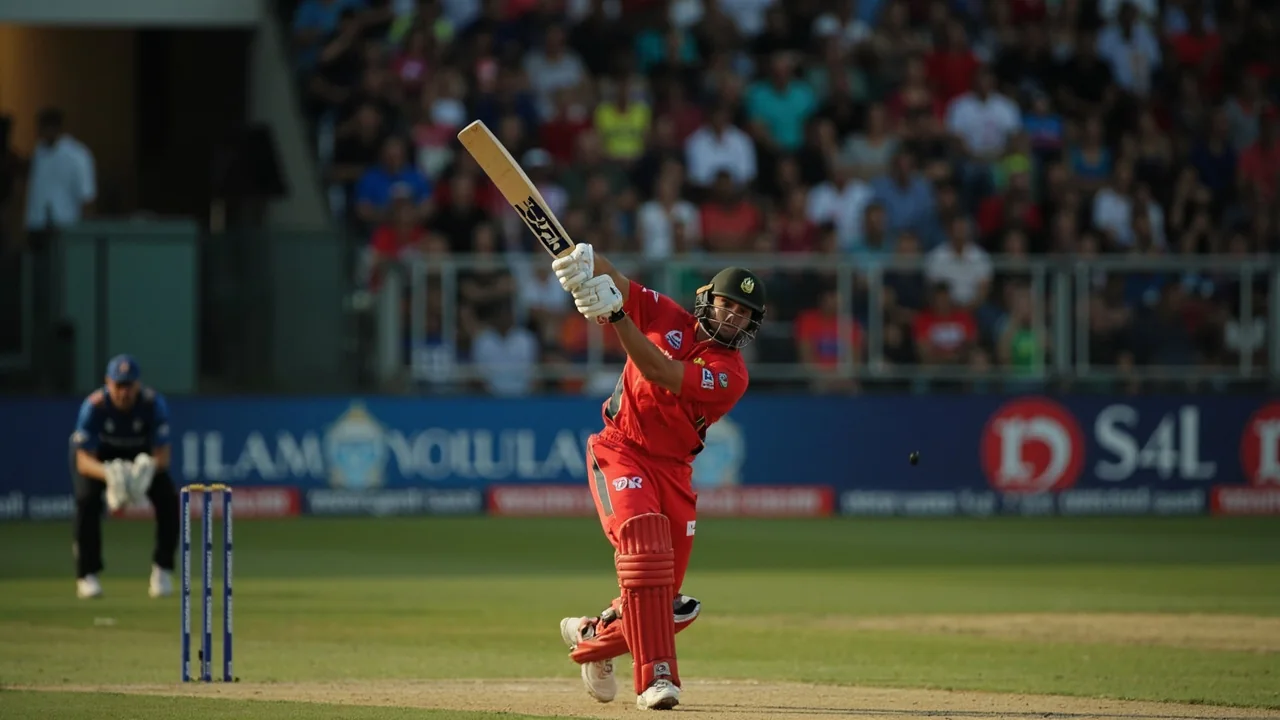
Across the last six meetings between these two sides, Sunrisers Leeds have three wins, Manchester have two, and one fixture was a no-result. That is essentially a coin flip, tilted slightly in Leeds' favour by home conditions. What it does tell you, clearly, is that Manchester's points-table position is not the whole story — they have been the better side over the season as a whole but not in this specific match-up.
Add the recent five-match form — Leeds L, W, W, W, W versus Manchester W, L, L, W, L — and the picture sharpens. Leeds have won four of their last five; Manchester have won two and lost three. The form lines and the head-to-head are pointing the same direction. Cricket Winner lists Manchester as favourites, and that is defensible because of the squad depth, but Leeds deserve to be backed as a competitive side rather than the rank outsider that some fantasy previews will frame them as.
For Dream11 specifically: do not weight your team entirely on the favourite tag. The platform rewards individual player ceilings regardless of which side wins. A Leeds captain on a day when Manchester win the toss and bowl first is still a winning fantasy captain. Treat favourite-versus-underdog framing as a small input, not a captaincy rule.
A Five-Step Pre-Toss Checklist for This Fixture
- Confirm the toss before doing anything else. The bowler-first call matters more than the team name. Manchester chasing at Headingley is a different match from Manchester batting first.
- Pick the role mix before the names. Three frontline batters, two bowling all-rounders, one wicketkeeper-batter, one spin option, one pace option, one death bowler, one differential slot.
- Captain from the home-run hitter in Grand League, from the all-rounder in Small League. Do not run the same captain in both contests — they are different problems.
- Use one differential slot for a player no consensus pick has. On this fixture, the differential is the entire game — consensus ownership on Mandhana and Litchfield will lock 60% of the field together.
- Reserve 10 per cent of your salary cap for the differential. That is the slot you are willing to defend when challenged on it. It is also the slot that gets you past the consensus captain pack.
What to Watch Once Play Starts
Three moments in a Hundred fixture move fantasy leaderboards faster than any other: the powerplay block (because boundary bonuses are weighted heavily in the first 25 balls), the middle block between balls 26 and 75 (where wickets cost the most and partnerships build fastest), and the closing ten balls (where a single six can swing 30 to 50 fantasy points across the field). Watch the closing ten most carefully. The bowling change the captain makes for the death overs signals who the side trusts under pressure, and the player who finishes the innings on a boundary usually finishes near the top of the fantasy table for the night.
If your captain is dismissed in the powerplay without scoring, do not panic-substitute — the captain multiplier is locked the moment she walks out. The only live call worth making is whether to swap your vice-captain up if your nominated captain is out cheaply. That single move separates a respectable finish from a leaderboard-climbing finish on this fixture.
Implications for the Rest of The Hundred Women's 2026
Match 10 is not just one fixture. It is the data point that takes the competition from "everyone is guessing" to "ownership data is starting to settle." The first nine matches gave you a sense of which batters handle the format, which bowlers find the seam movement, and which captains handle the press conferences well. Match 10 starts to confirm those reads. Whatever your fantasy team looks like on Wednesday morning, write down why you built it that way. The fantasy players who improve fastest across a Hundred season are the ones who keep notes after every match, not the ones who lock good teams.
For more on captain rotation, ownership tracking, and chip windows that open after the first week, the fantasy cricket guidance library walks through each of those decisions in turn.